
We’re very pleased to introduce the seond in our series of blog posts linked to Splendours of the Subcontinent, a Royal Collection Trust touring exhibition coming to Cartwright Hall in March 2017.
This entry has been written by Kajal Meghani, the Exhibition Assistant Curator at the Royal Collection Trust. She writes
As mentioned in our last post, Splendours of the Subcontinent will focus on the seventeen week tour undertaken by the Prince of Wales in 1875. You may be wondering why Albert Edward, or ‘Bertie’ as he was known by his family and friends, went on such a lengthy tour of the Indian Subcontinent. What was the main aim, and what was he hoping to gain from this experience?
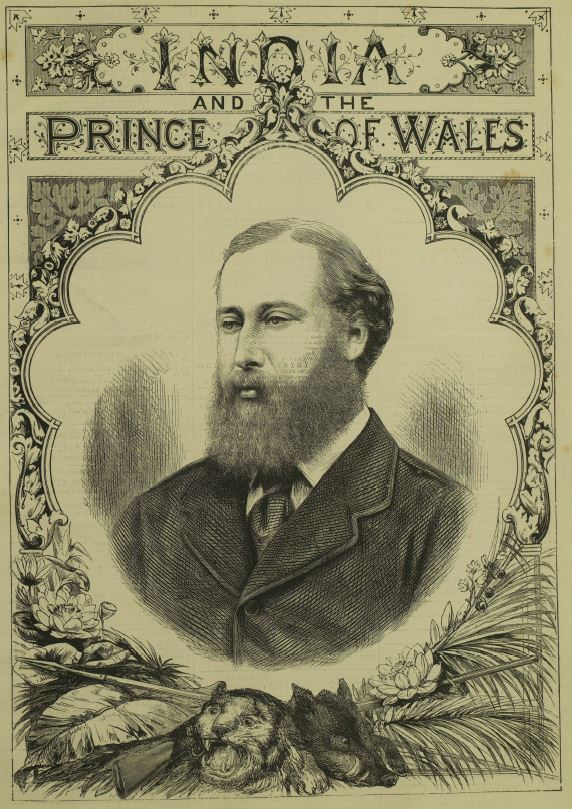
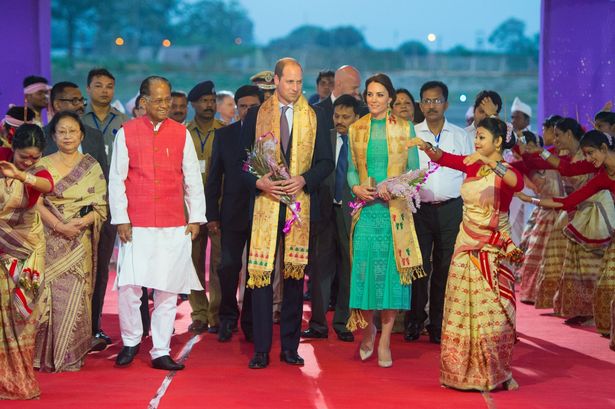
As the eldest son of Queen Victoria, tours formed an important part of his educational programme as the future monarch, enabling him to see the world and build good relations with other countries. These early tours came to set the standard for their modern equivalents, undertaken by HM The Queen and the Royal Family. Since the 1875-76 tour, there have been numerous royal visits to the subcontinent, the latest being the weeklong visit to India and Bhutan that the Duke and Duchess of Cambridge went on in April this year.
![Queen Elizabeth II is pictured taking an elephant ride in the town of Banares, India in 1961 [Popperfoto/Getty Images]](https://bradfordmuseums.org/wp-content/uploads/2016/09/Image-2-Queen-in-India-1961.jpg)
Prior to visiting the Indian Subcontinent, Bertie had undertaken many extensive tours to other parts of the world such as North America in 1860, and the Middle East in 1861, where he had learnt about the culture and history of these regions. On one hand the tour to India, a country which the British Monarchy had close historical ties with, would allow him to have a deeper understanding of the subcontinent.
However, it’s important to also think of the Prince of Wales as a tourist, who was eager to see a country, its people and the land, that had for many centuries piqued the curiosity of Britain. Albert Edward was not the first Royal to visit India; he had been pipped to the post by his younger brother Alfred, Duke of Edinburgh, who had visited India in 1869-70. His travels appear to have spurred Albert Edward to do the same.
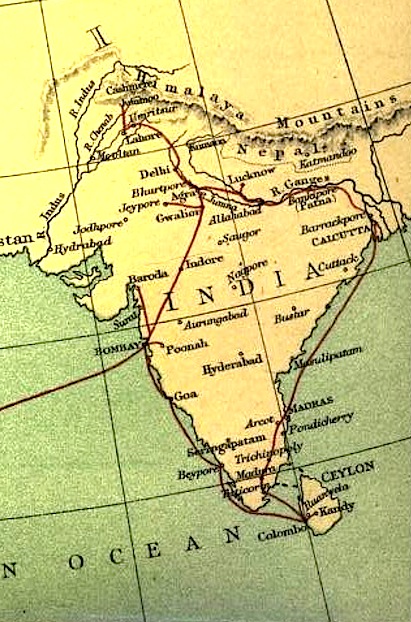
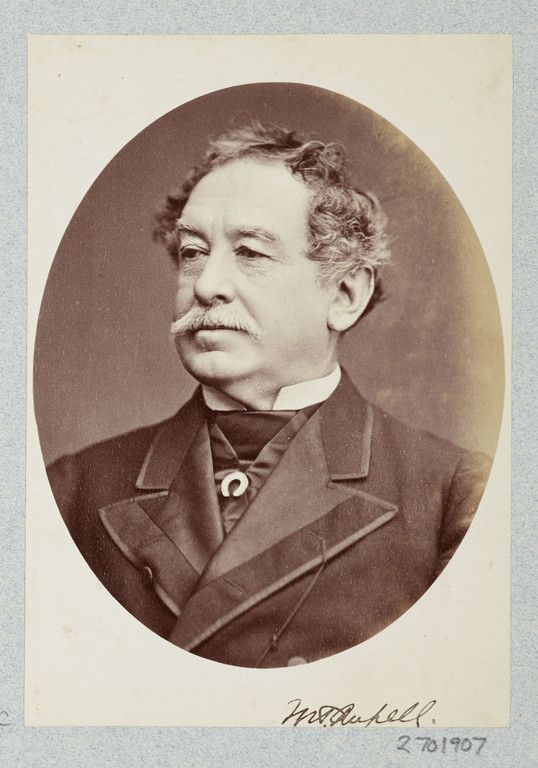
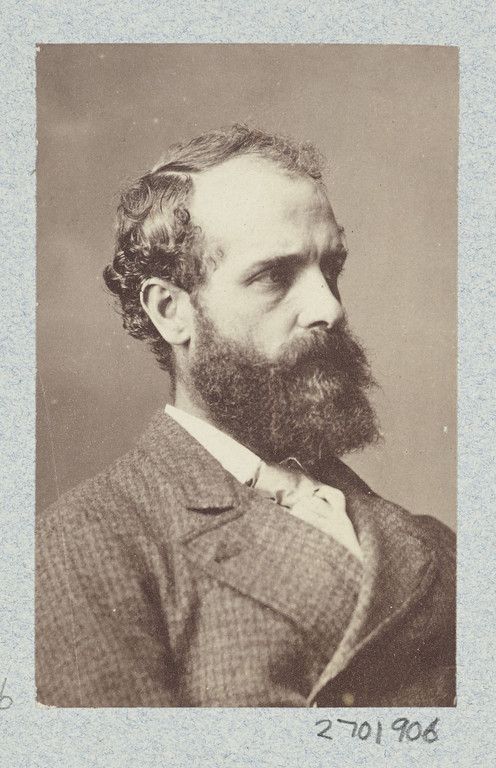
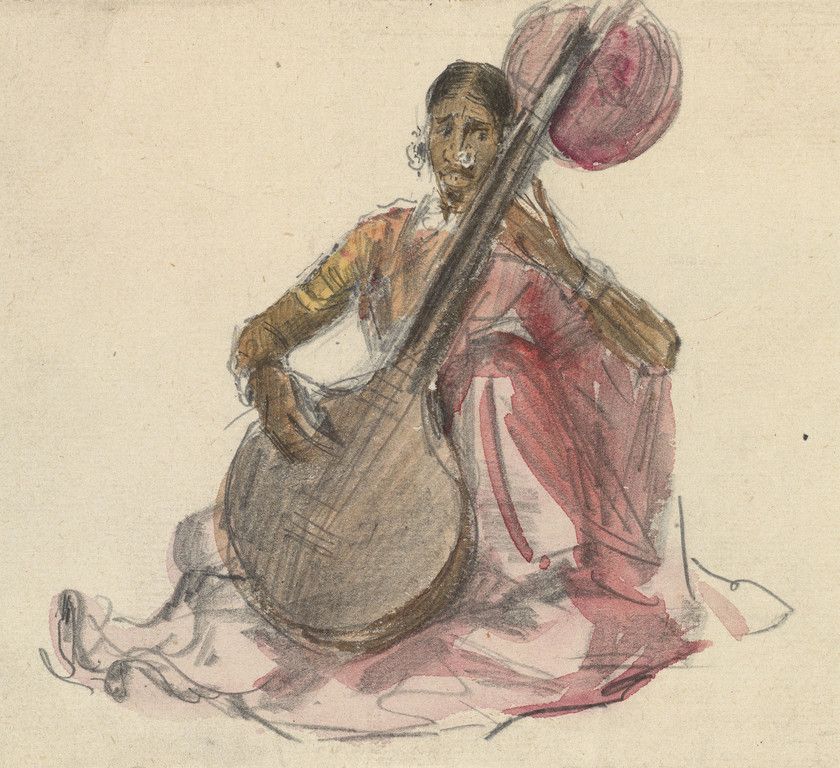
Setting off in October 1875, Albert Edward’s tour was planned meticulously to enable him to see as much of the Indian Subcontinent as possible. From Colaba to Calcutta, Kandy to Kashmir, the Prince of Wales travelled to modern day India, Sri Lanka, Pakistan and Nepal. He was accompanied too by advisors and friends. This included William Howard Russell, writer of the official tour diary, and Sydney Prior Hall, an artist who captured the tour through his animated pencil drawings and watercolours. The diary, watercolours and photography from the tour will be used throughout the exhibition to provide an insight into the tour.
During his time in India, Albert Edward met more than 90 regional rulers and travelled the length and breadth of the subcontinent – 7600 miles by land and 2300 miles by sea! He visited the iconic sites of India such as the Taj Mahal in Delhi, the Amber Fort at Jaipur and Shalimar Gardens in Lahore as well as attending courtly entertainment such as nautch (dances) and musical performances.
His experiences from the tour and the beauty of the gifts evidently encouraged the Prince of Wales to share them with the Victorian public and he organised for them to be displayed in ten locations across Britain and Europe. Next time, we will be taking a closer look at one such treasure that captured many people’s attention, the beautiful qulamdaan (pen box) that we mentioned in our first blog post.