
This blog has been written by Heather Millard, who has curated Made by Many Hands, our latest exhibition at Bradford Industrial Museum
One of the joys of working on our newest exhibition (opening today in fact!) has been the chance to have a bit of a deep dive into parts of our collections we haven’t displayed for a while and share those stories. In my previous blog this year, I talked about a few different crafts with a local connection. In this blog, I’m going to focus on just one.
Dress-making (or more accurately, making your own clothes) is not a heritage craft considered at risk in the same way as others we’ve featured in the exhibition, but it is one that has a particularly Bradford link (and not just because of the district’s history in producing textiles). It’s also under going a bit of a increase of interest increased interest as programmes like the ‘Great British Sewing Bee’ have become popular. A move away from ‘fast fashion’ and towards more sustainable choices has also encouraged more people to try making their own clothes.
The name Maudella may be one familiar to those who make their own clothing, as the company was a key producer of dress making patterns for the best part of the 20th century.
The company was founded in the 1930s by a Mrs Maude Eleanor Dunsford who lived on Fagley Road, Bradford – you can’t get much more local. The company name Maudella was created from her own name.
At the start of the business, it was operating out of Maude’s own home. She would create designs inspired by the latest fashion trends, and then young ladies she employed would cut out the tissue patterns by hand. These patterns were then sold on for both personal use and by professional dressmakers.
By 1939, the company was successful enough to move to 37 Chapel Street in Little Germany, Bradford, sharing the location with 4 printing companies- one of which Valley Printers was a fashion printer. It would gradually expand to not only fill No.37, but also 39 – 41 Chapel Street – though the printing still took place at number 37
In 1939, it formally became Maudella Patterns Company Limited. Eleanor, and her husband Sydney Howard were the only directors.
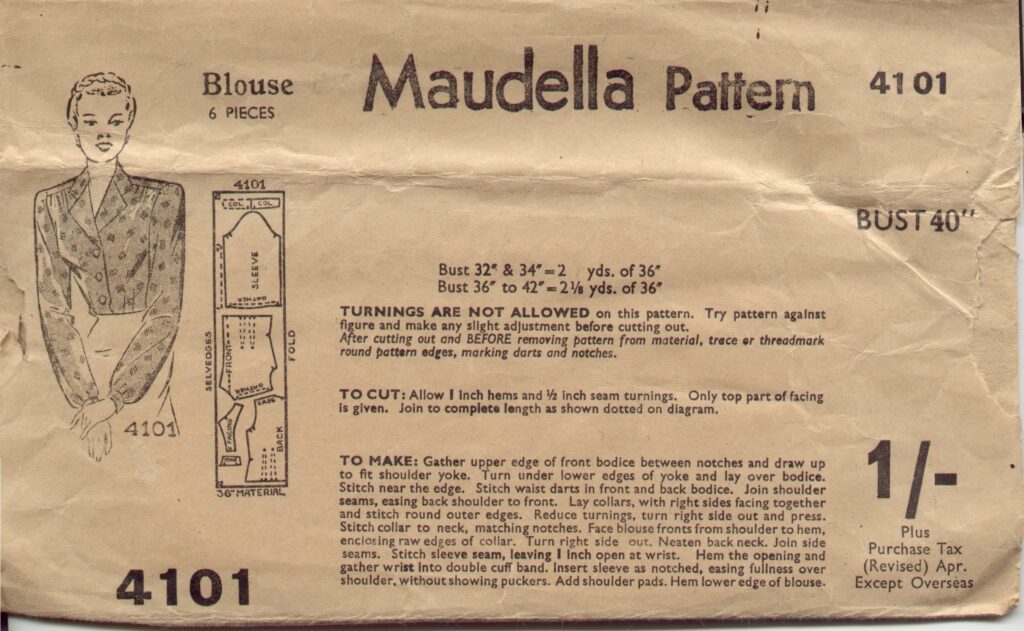
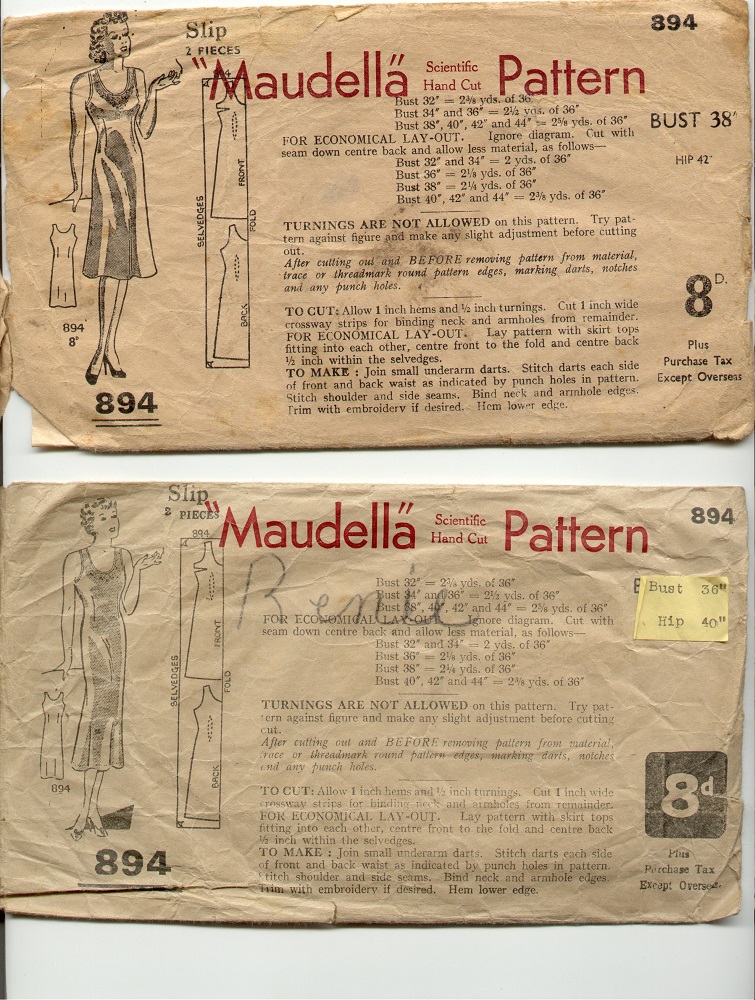
The company produced hundreds of patterns over the years, mostly aimed at home dress-makers, or those that used small independent dressmakers to make up their clothes for them. The Dunsfords picked out the latest trends from the most fashionable designers and translated them into their own up-to-the-minute designs, so that could make their own smart clothes locally and cheaply, without paying couturier prices or waiting the year it took back then for catwalk fashions to hit the high street.
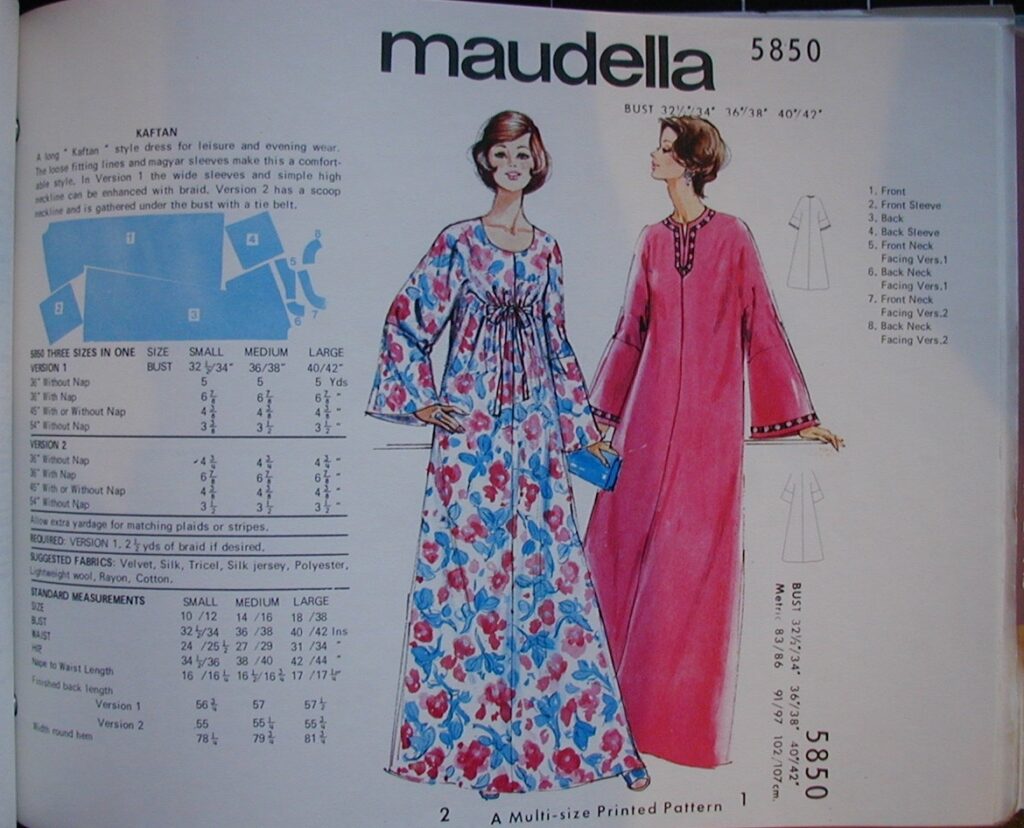
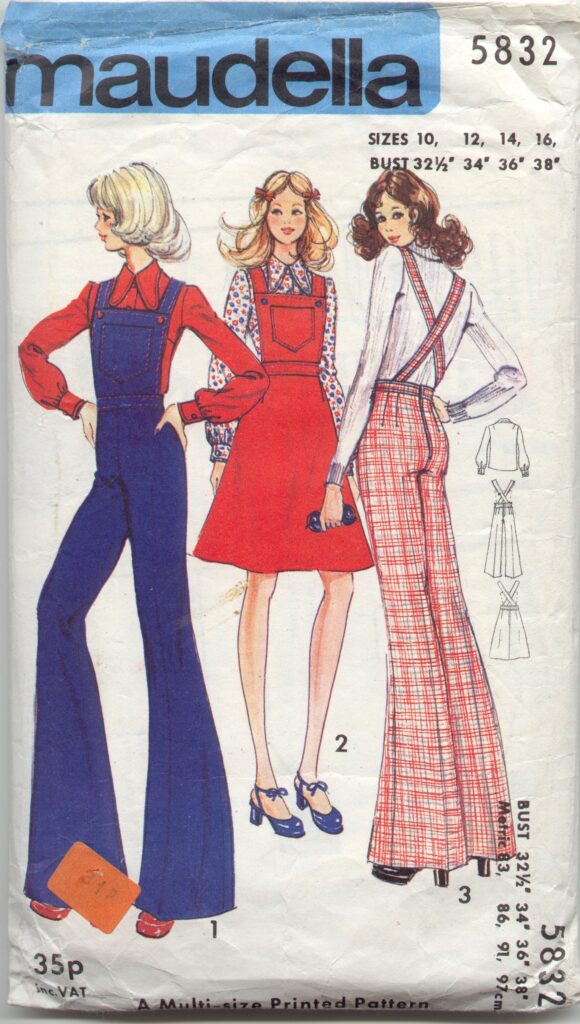
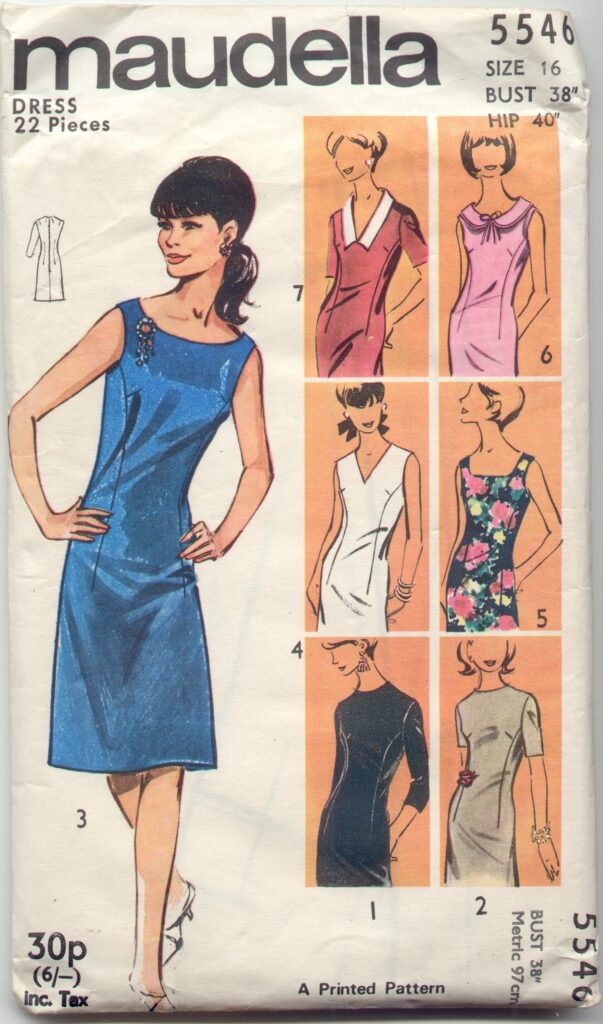
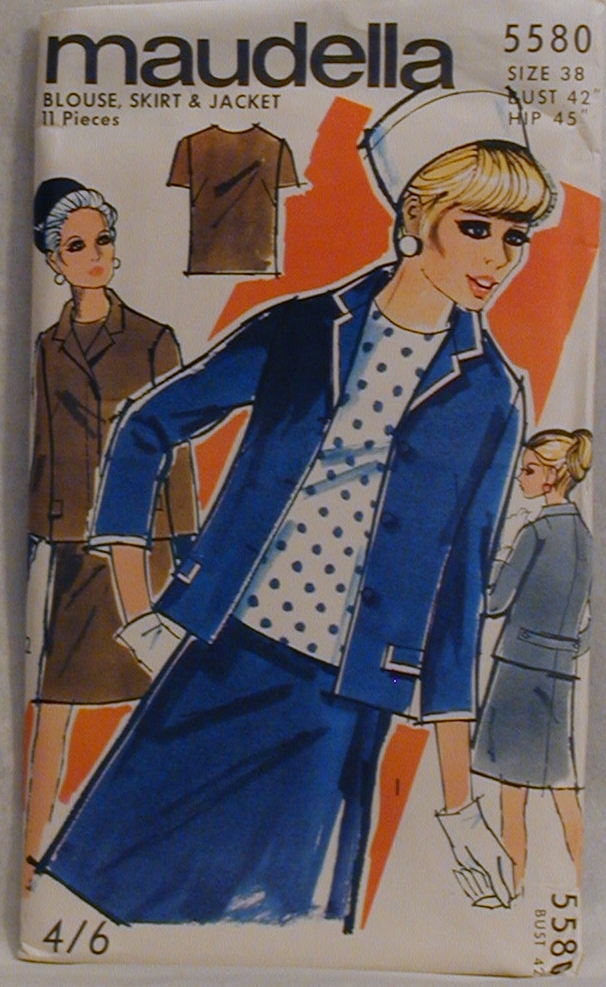
The whole process was done in house – at the start when the patterns were designed, through the printing and to distribution to the network of haberdashery shops that would stock their patterns for the customer to purchase from.
We have a number of those retail catalogues in the collection as well as a good selection of patterns across the decades.
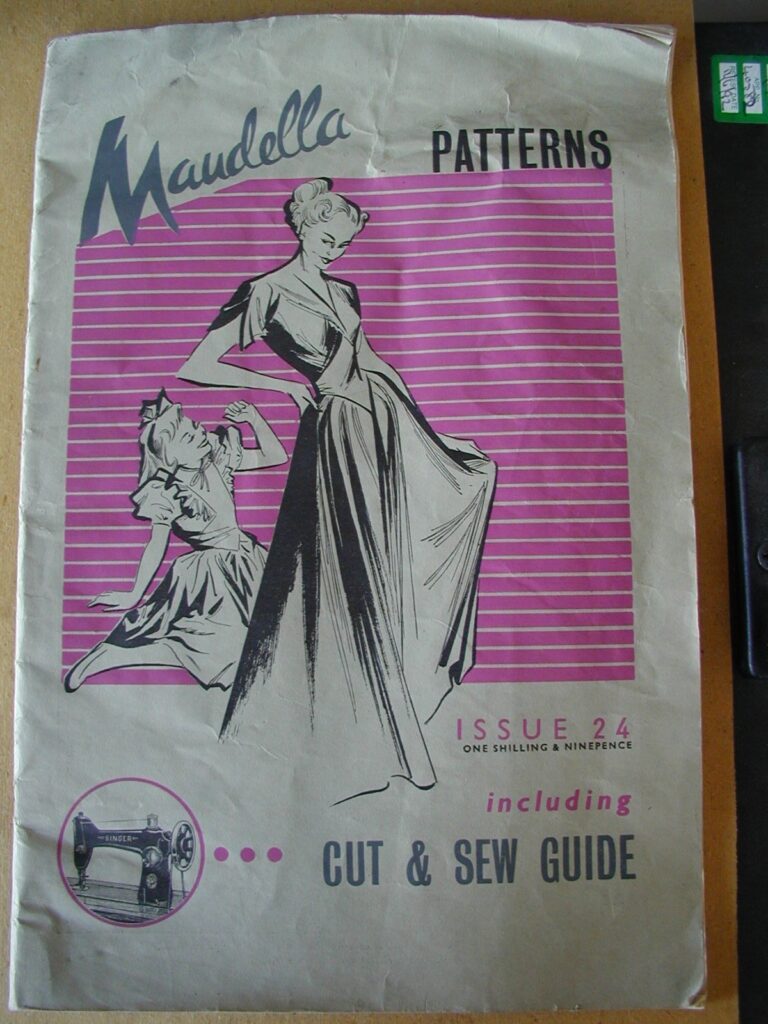
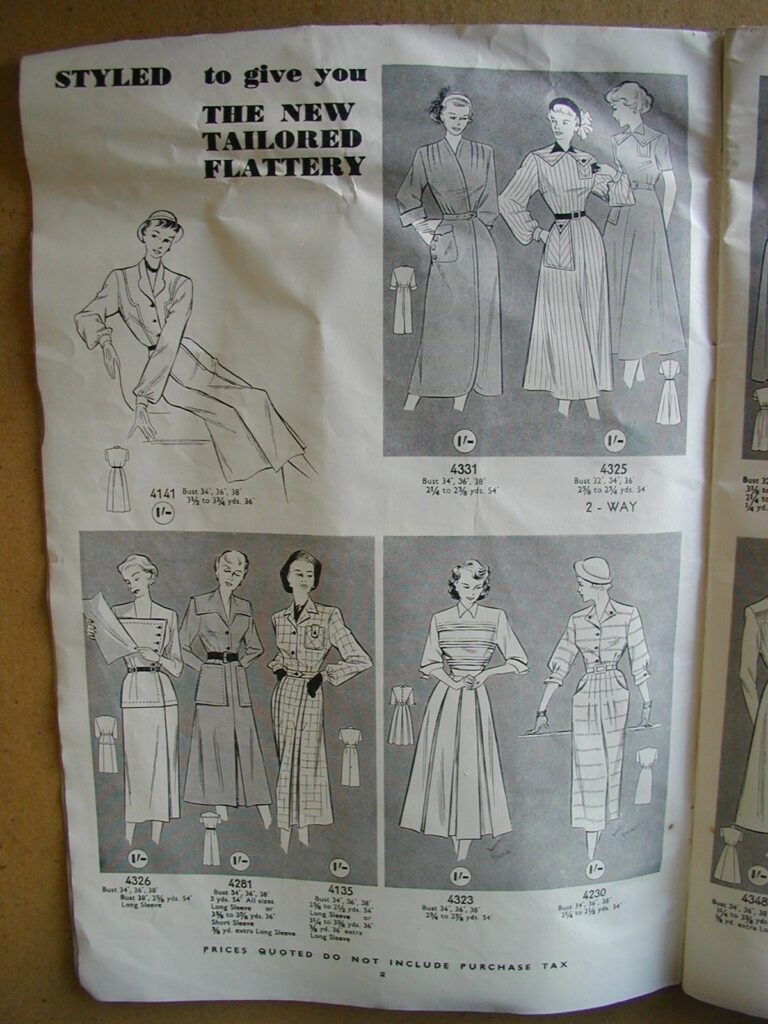
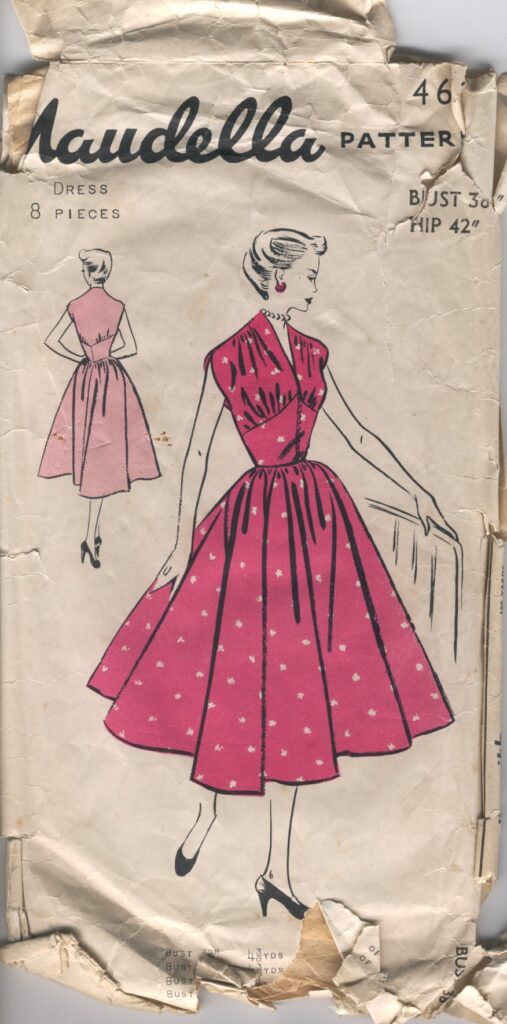
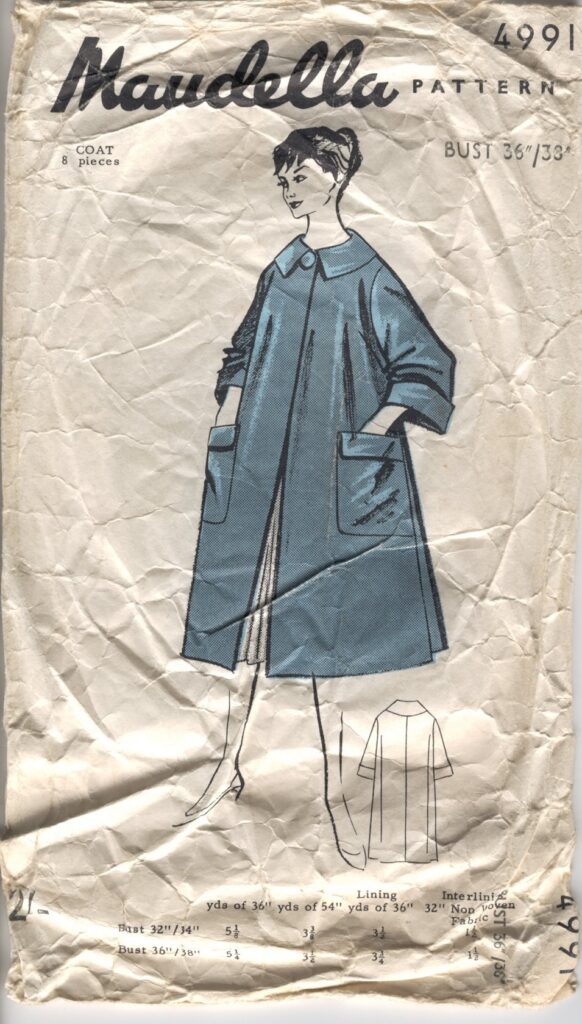
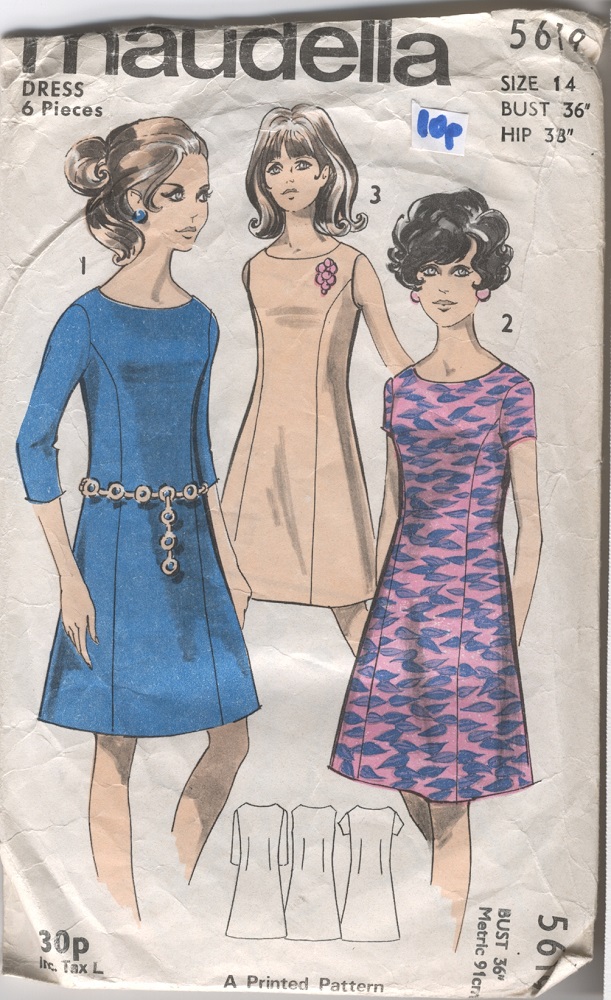
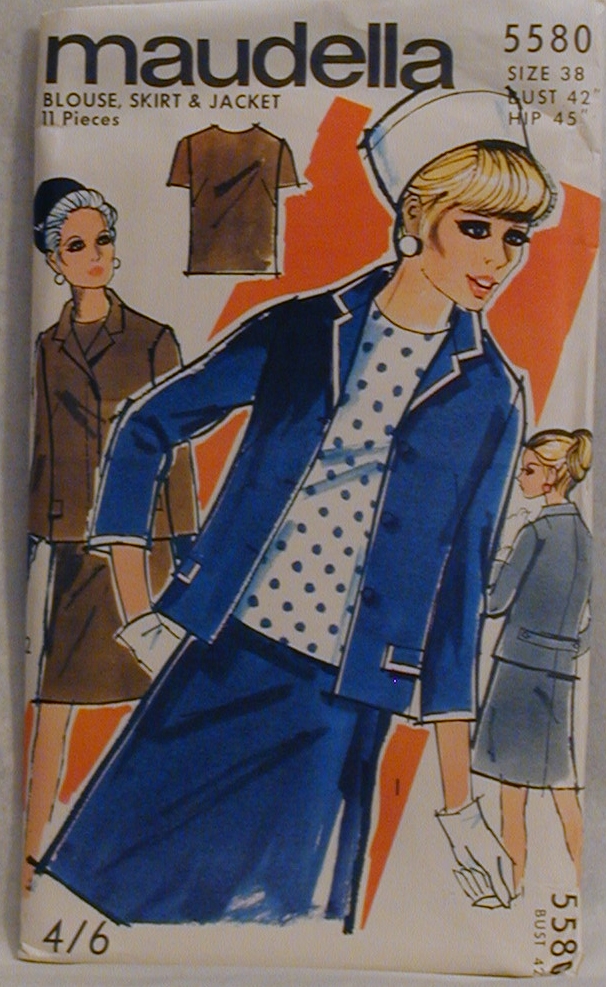
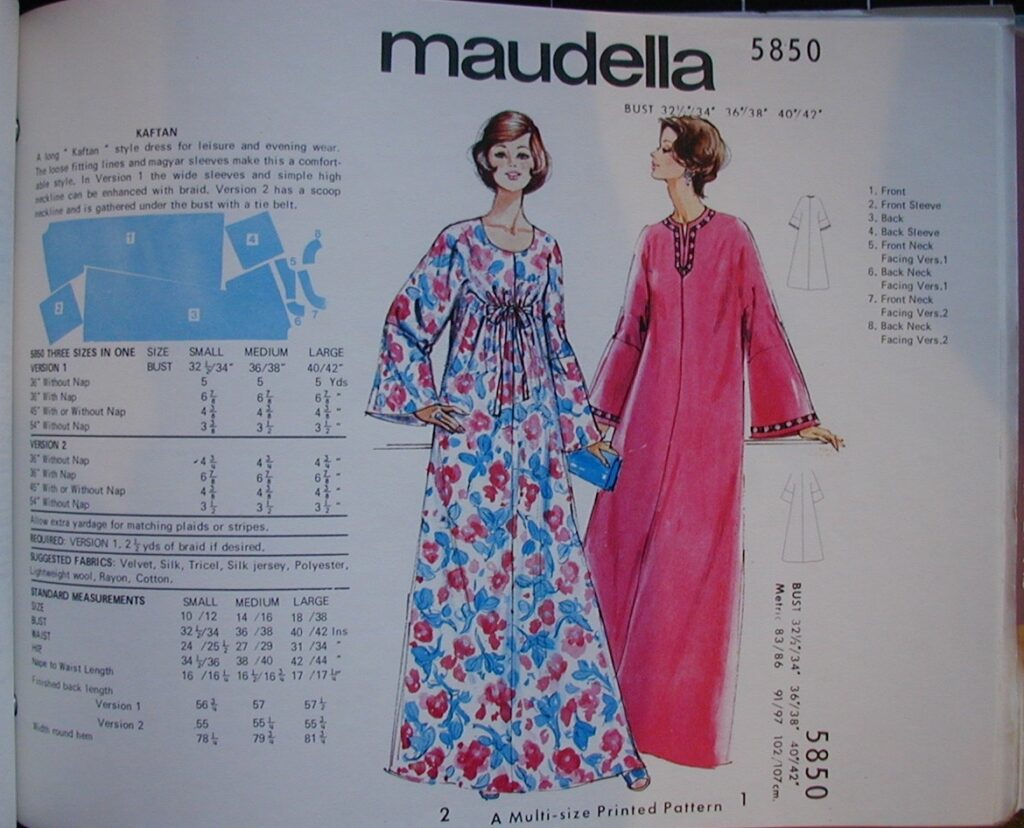
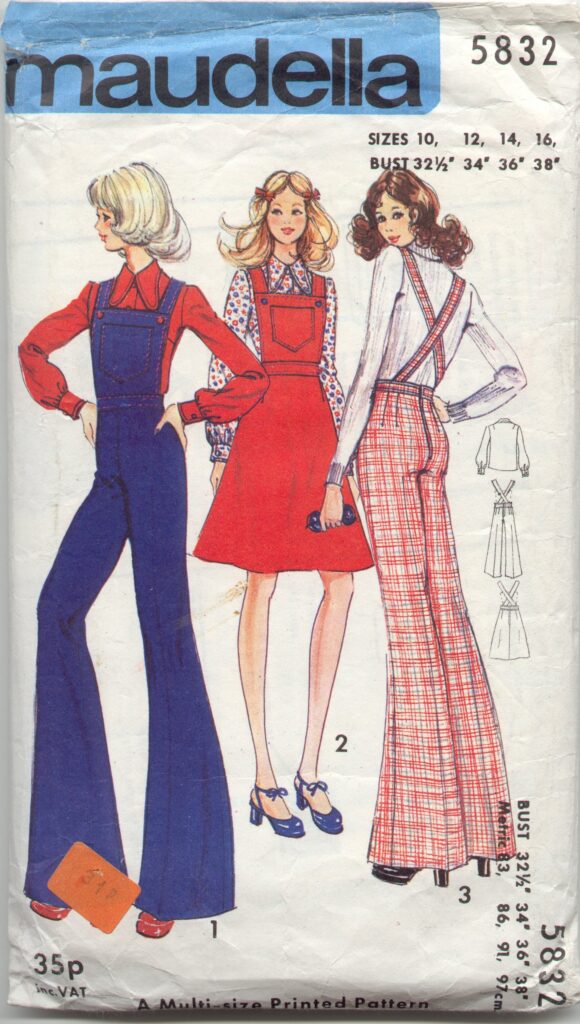
It wasn’t just women’s clothing patterns that they were producing, but also men’s fashion, and there were even patterns for children’s toys (with varying levels of uncannyness!)
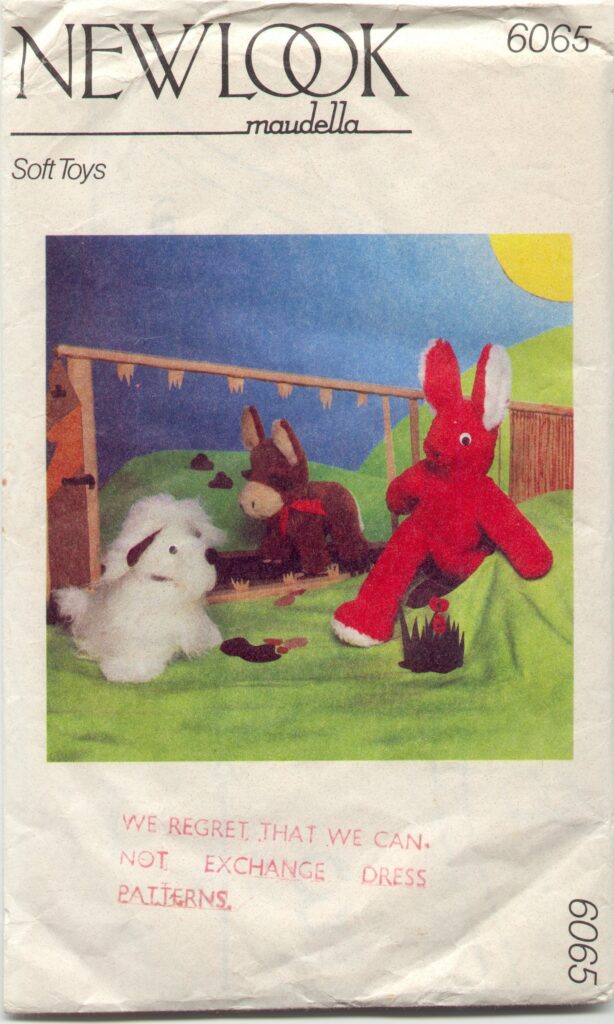
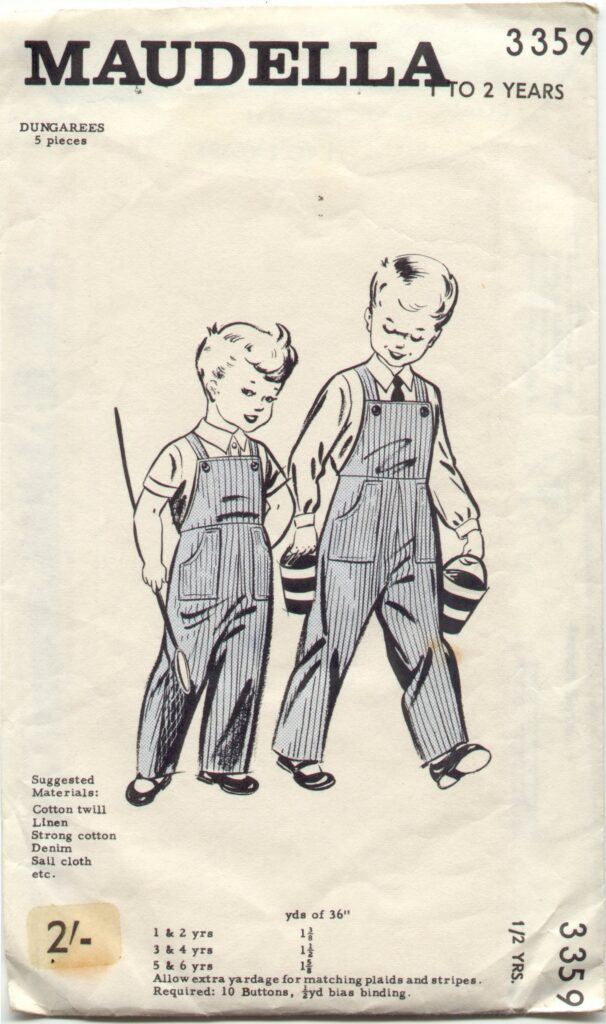
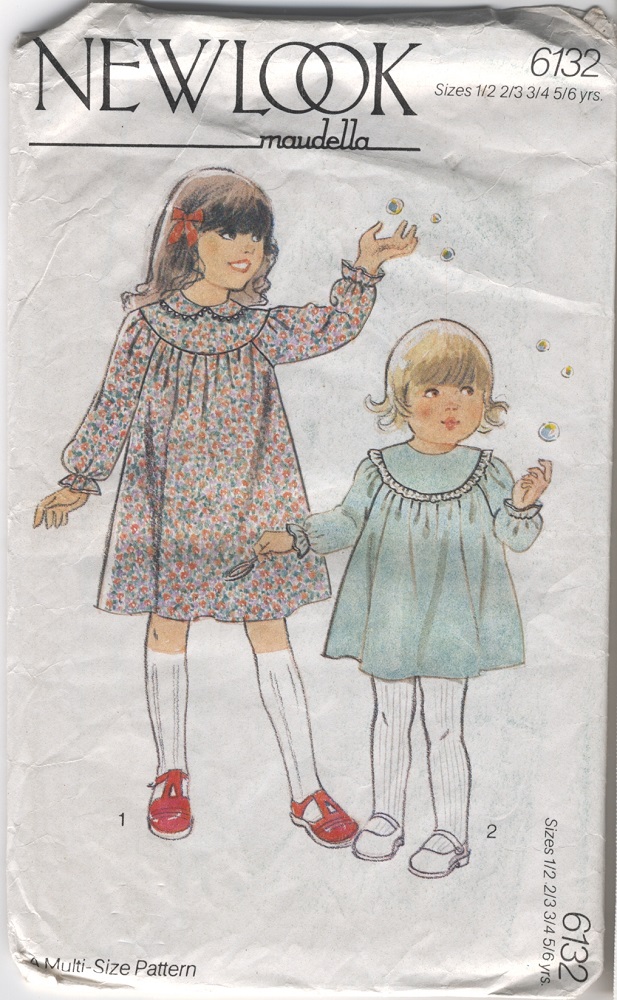
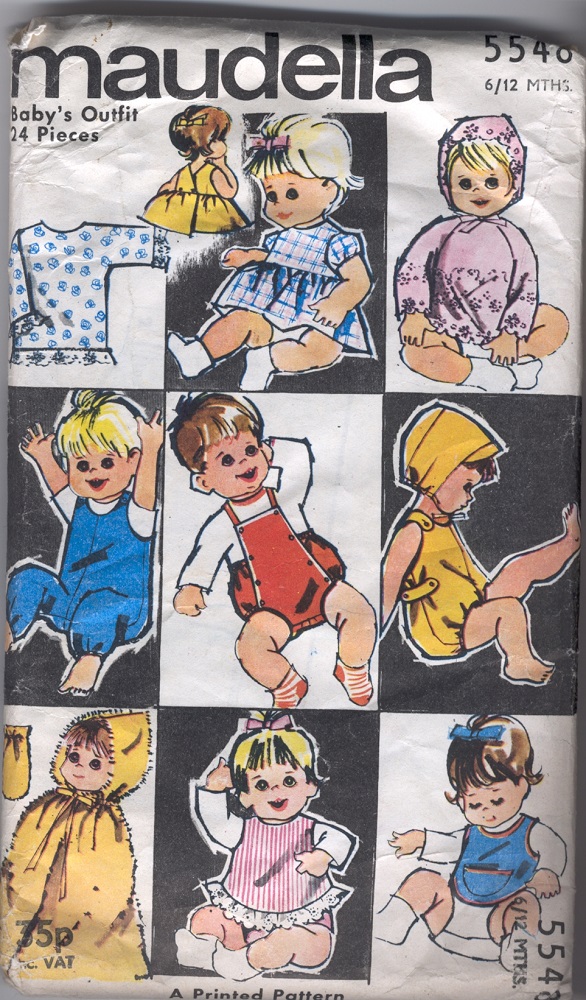
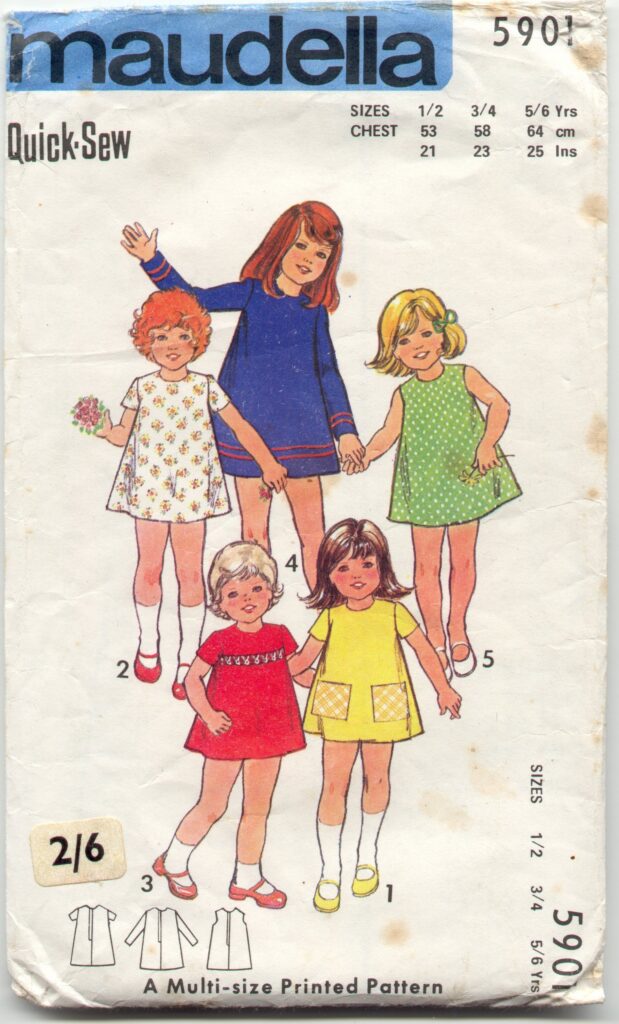
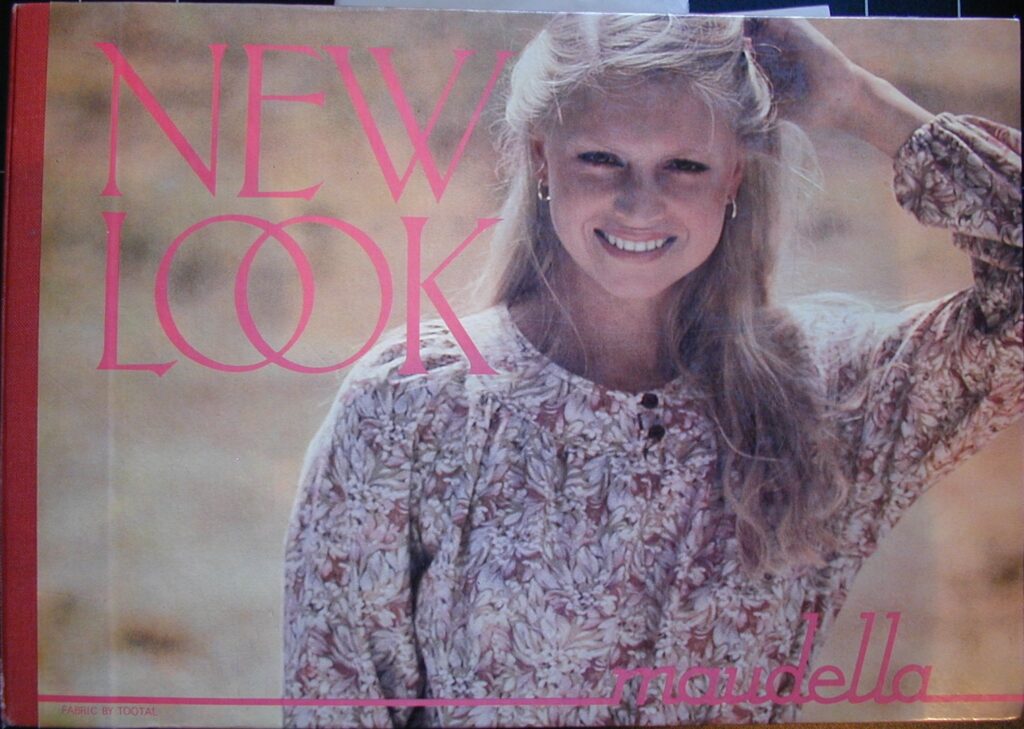
By the 1980s, home dress making was dying out, and Maudella launched their New Look range , which featured multiple sizes in each pattern. By that time, it was the only company in England both designing its own clothes and printing the patterns.
When Maude’s son retired in 1987, the company was sold to the American firm Simplicity, who initially continued to produce pattertns from Chapel Street – renaming the company The English Pattern Company.
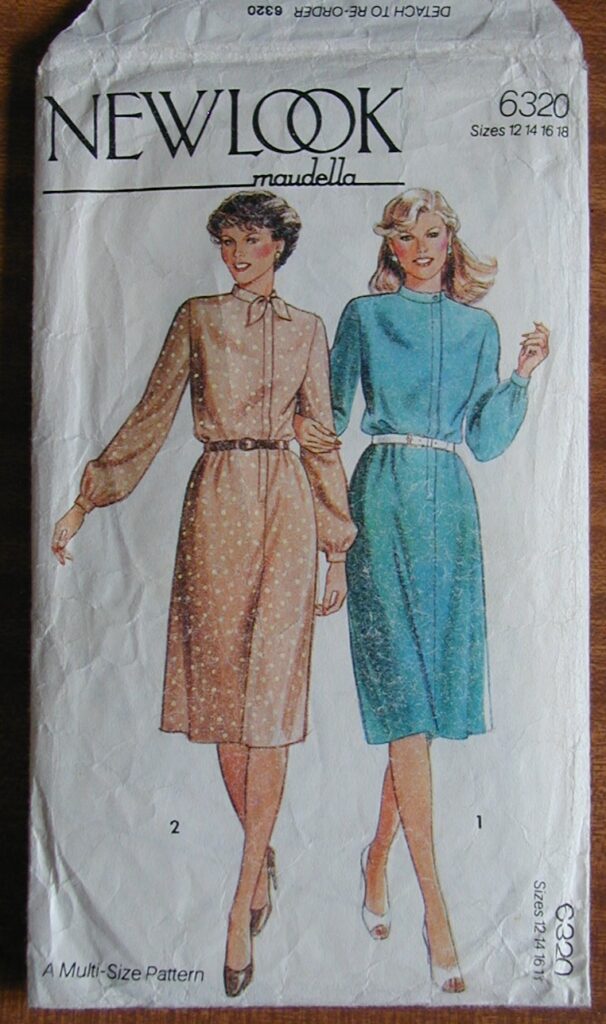
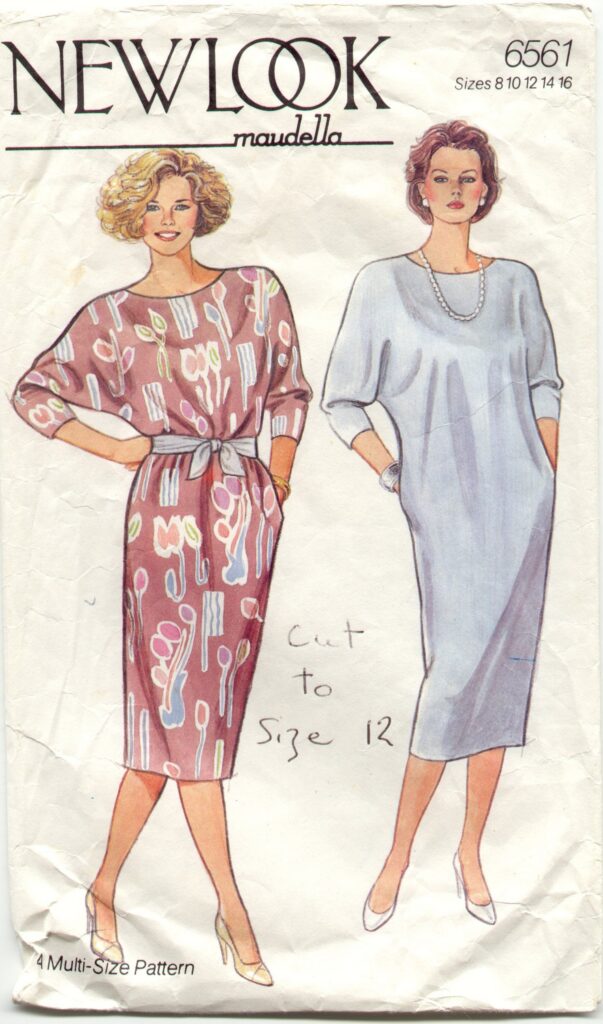
This continued for another decade, but by 1997, production of the New Look range had moved entirely to the US.
Simplicity are still designing and producing patterns for the home user, and the craft of producing your own clothes is seeing an bit of a increase of interest increased interest in programmes like the Great British Sewing Bee have become popular. A move away from fast fashion and towards more sustainable choices has also encouraged more people to try making their own clothes.
Do you make your own clothes? Would you?
We’d love to hear some of your stories and see some of your favourite makes – especially if they’re maudella patterns! Drop us a line on the community engagement email –
3 Responses
Asking is there an actual exhibition of the patterns etc?
Hi Elaine,
There are some patterns and catalogues on display as part of the ‘Made by Many Hands’ exhibition.
I have a collection of Maudella materials, counter leaflets (all in new condition, 1940’s) so must have been tucked away for years and I purchased from someone who had a shop, so assuming they lie forgotten and unused), small posters, Catalogue 24 and 26, and a catalogue from the late 1960s. It is a real shame we don’t have a museum in the UK that covers all of our great clothing / cloth manufacturing and pattern / design history, especially one that includes the home sewer contribution.