
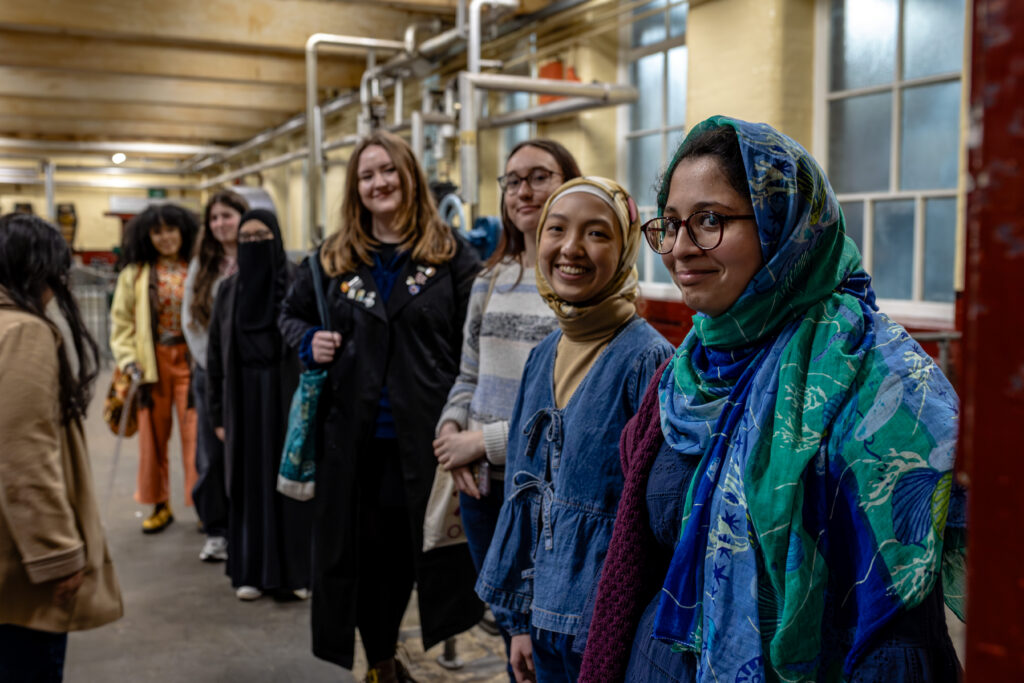
The Young Ambassadors cohort is a scheme to better inform museums and galleries in the Bradford District on what interests’ young people today. This experience offered the chance to engage with individuals who share similar values, all of whom aspire to foster a more inclusive environment for people from diverse backgrounds. The ethos of this year’s group is that of young people who are socially aware and are willing to make a change. We met every couple of months at one of Bradford District’s Museums and Galleries sites, with the first being at Bradford Industrial Museum. Below are two examples of visual minutes by Isabel Booth, a BD25 creative apprentice who joined the YA programme and provided insights and documentation of the meetings.
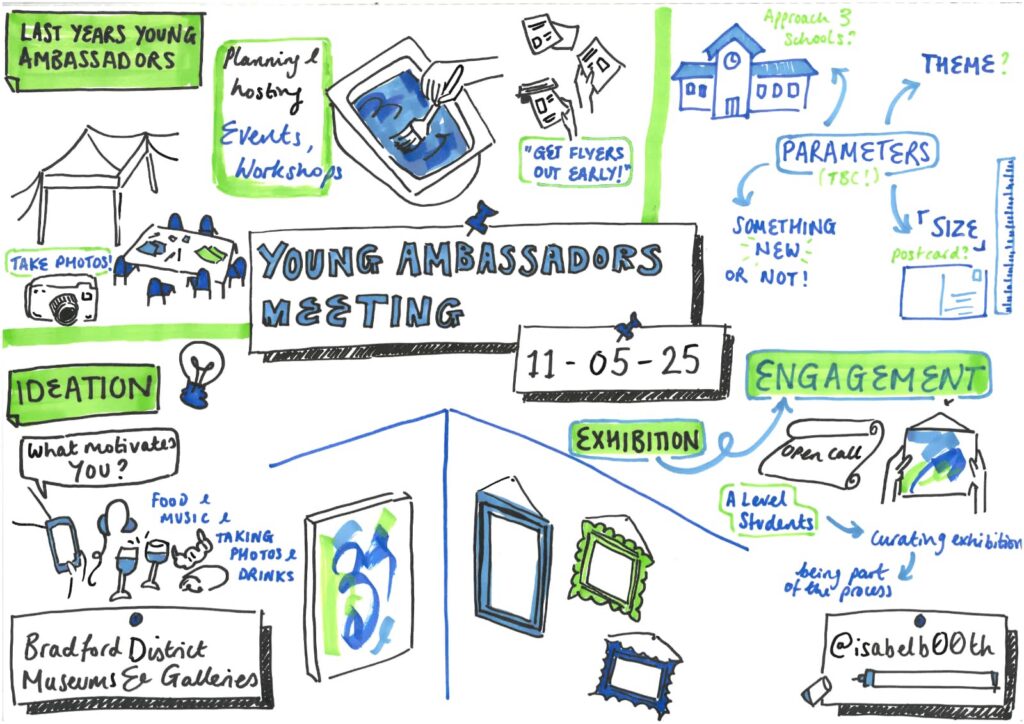
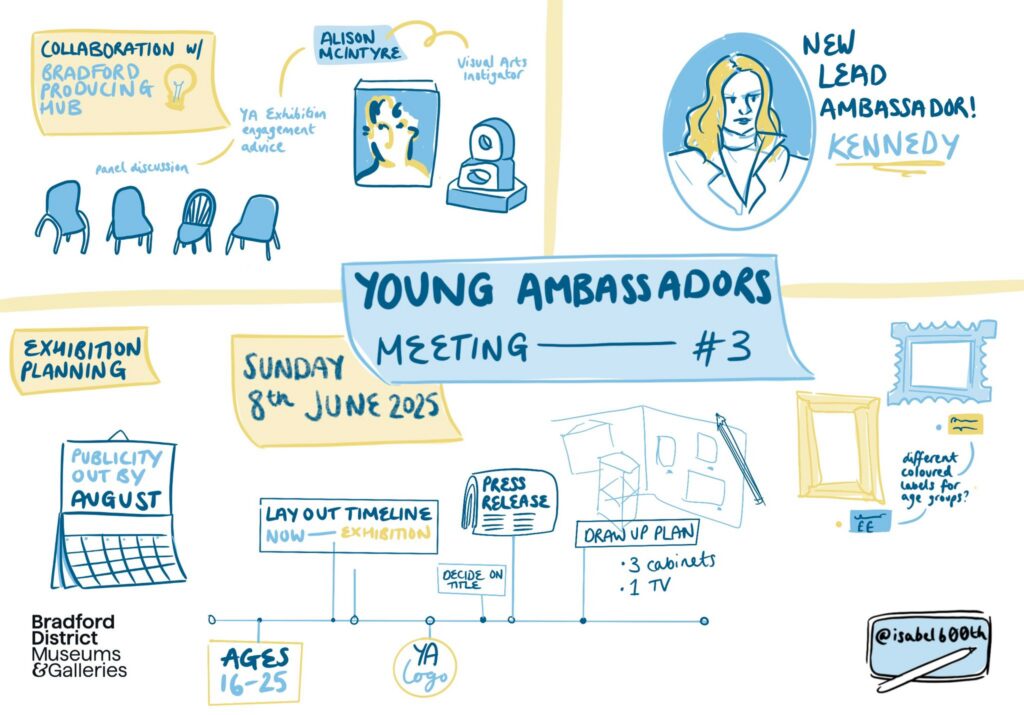
We facilitated an open call exhibition, titled Z OPEN, for young creatives aged between 16-25 who have a connection to the Bradford area. With the age range covering a large part of generation z, we decided to play on that by using the singular letter Z. Additionally, it was important to make it a completely free submission process to combat the socio-economic barriers young people face when submitting to open calls.
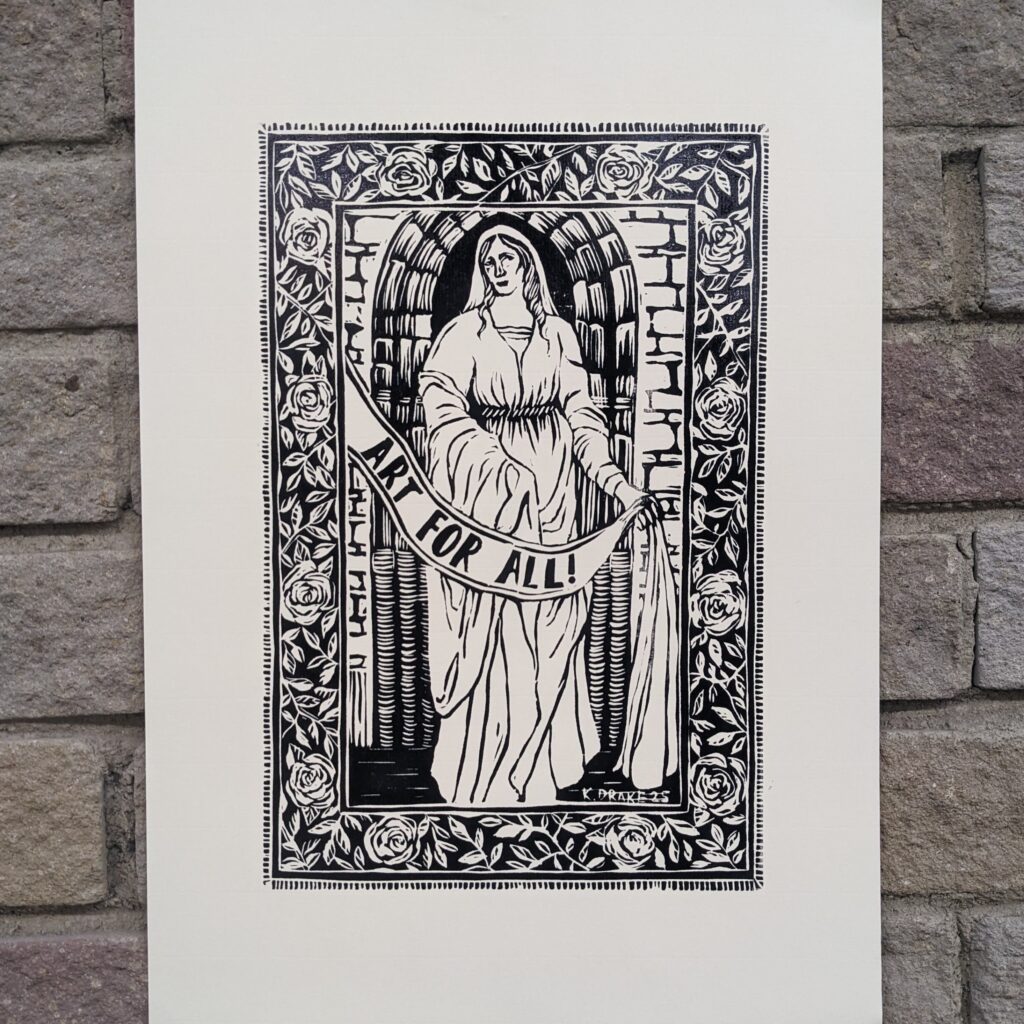
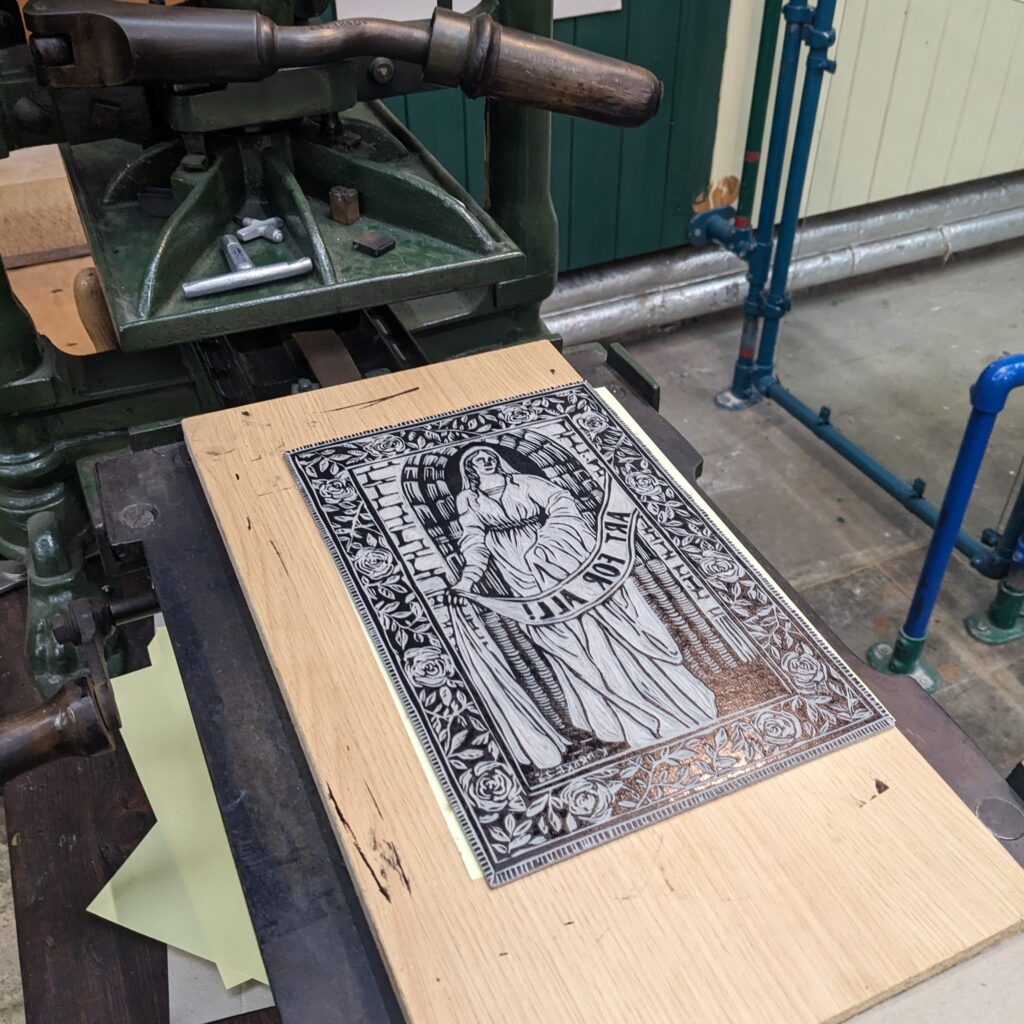
“I do not want art for a few any more than education for a few, or freedom for a few.”
William Morris
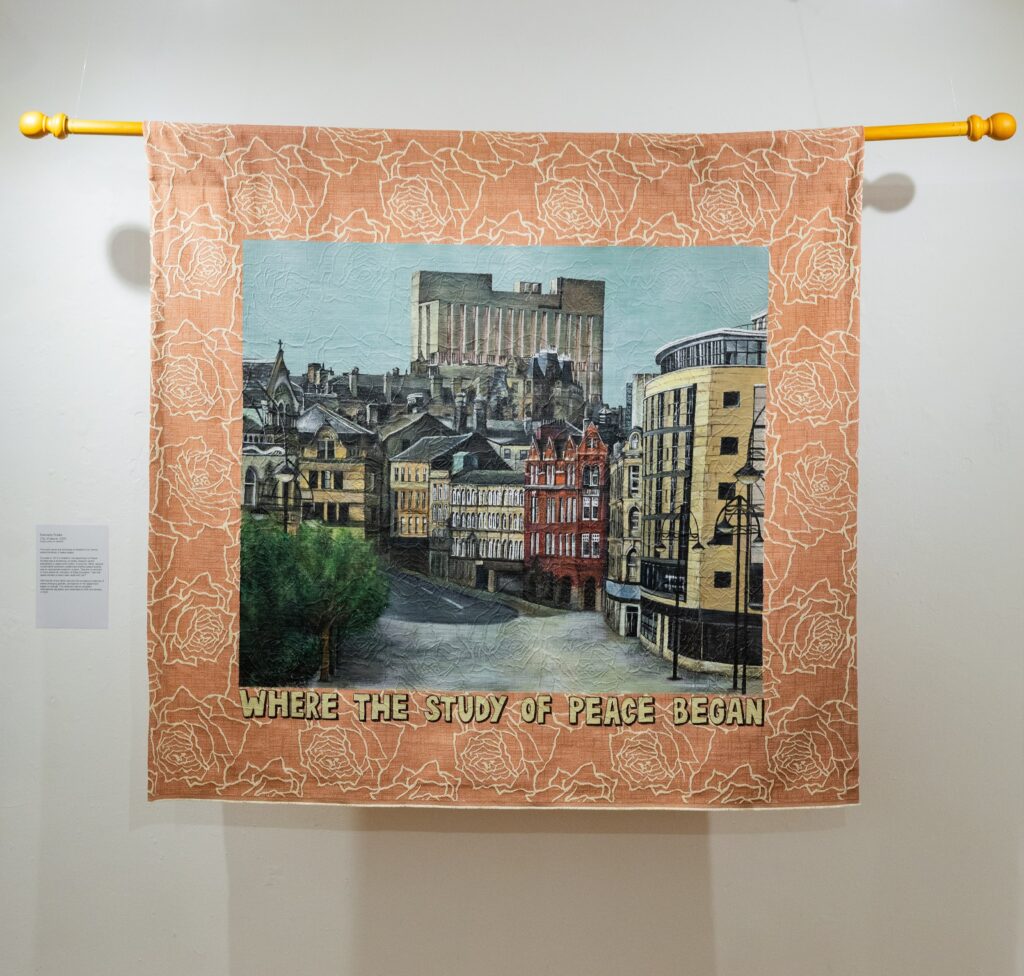
Bradford’s radical history has always been a significant part of my practice, as seen in ART FOR ALL (2024) and City of Peace (2025) and it was important that this was highlighted in the meetings leading up to the exhibition. For the Our Past, Present and Future exhibition held at South Square Centre, I decided to paint a scene of the city centre to honour the rich history of Peace Studies in Bradford. Founded in Bradford in 1973, the department of Peace Studies was a pioneering university research centre specialising in peace and conflict. During the 1980s, several conservative politicians questioned whether peace studies was an appropriate academic subject. Thatcher is reported to have asked her Secretary of State Education, “has that peace studies problem been dealt with yet?”
With the fall of the Berlin wall and the increasing instances of peace emerging globally, perceptions of the department began to change. The institution has an excellent international reputation and celebrated its 50th anniversary in 2023.
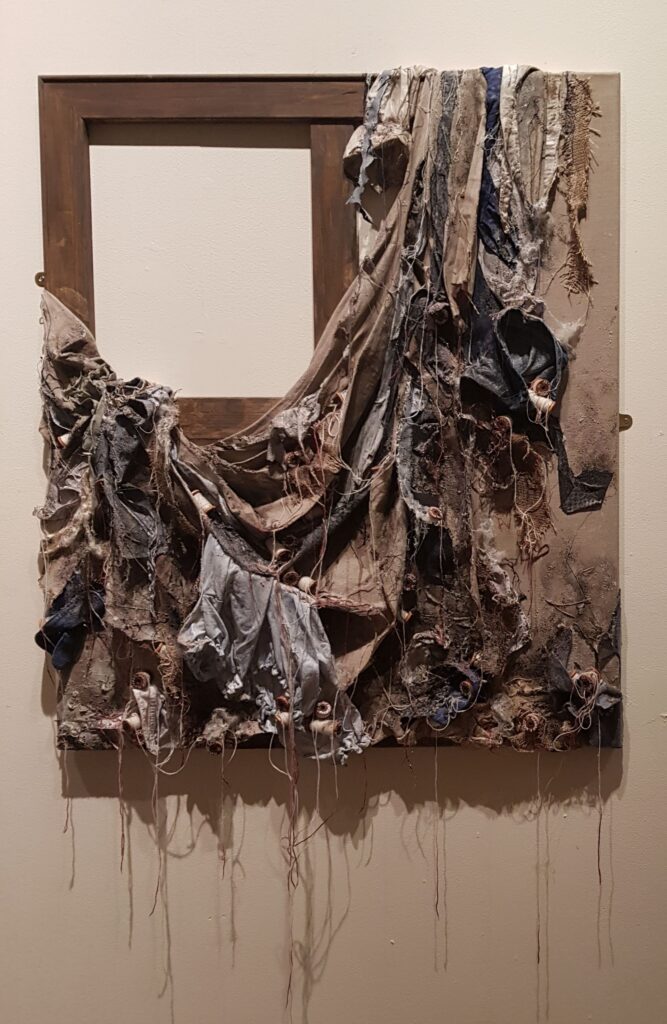
Z Open provided the selected artists the opportunity to display their work in the main gallery space at Bradford Industrial Museum, one of many of Bradford’s cherished locations. When hearing about the location of our open call, I recalled an exhibition shown in this space by Alke Schmidt titled Wonder and Dread in 2018. I understood instantly that it would be a privilege to be able to offer young people the opportunity to showcase their work here because Schmidt’s exhibition is one that has left a lasting impression on me.
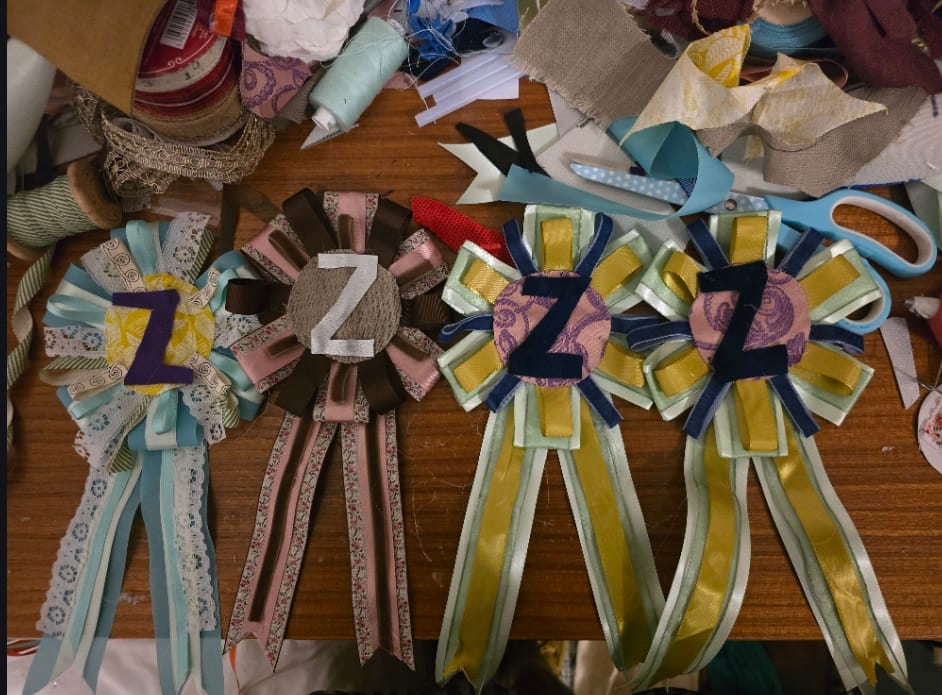
We also were able to hold a screen-printing workshop with one of Z Opens very own artists, Erinscolours, who has experience facilitating workshops for people of all ages. This was held at Bradford Industrial Museum in the Heritage Room on the day the publics choice award was announced. The workshop was a resounding success, and we hope Erin will hold more workshops in this space. Another highlight from the open exhibition were the prizes we were able to award to artists, thanks to the Friends of Bradford Museums and Galleries. The winners were Juna Tu, Van Garon and Haleema Aziz with Sanaa Ahmed winning the Public’s Choice award. All of the winners were presented with Z Open rosettes, created by young ambassador Atiyya Mirza, who also ran a rosette making workshop for the young ambassadors.
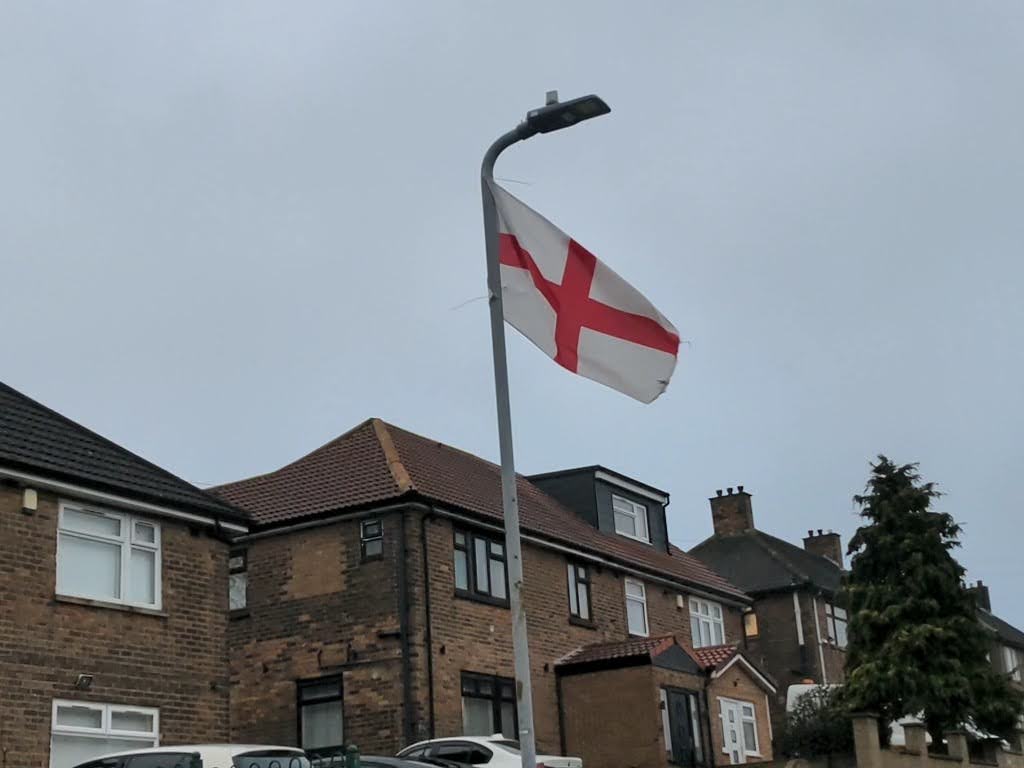
If you walk along Moorside Road towards Fagley estate, you will see countless lampposts dressed in St Georges flags. This will have been an intimidating experience for the artists and visitors who came to Bradford Industrial Museum throughout this time. We were hoping to generate a welcoming environment but fell short due to the surrounding area. The rise in political polarisation and far-right ideologies should be challenged through Bradford’s museums and galleries because of Bradford’s very own history. From the Bradford Chartists advocating for workers’ rights to the establishment of the Independent Labour Party (and countless other events) Bradford has consistently demonstrated a commitment to social justice. One of the many questions the flags in Fagley made me ask was “are museums and galleries doing enough?”
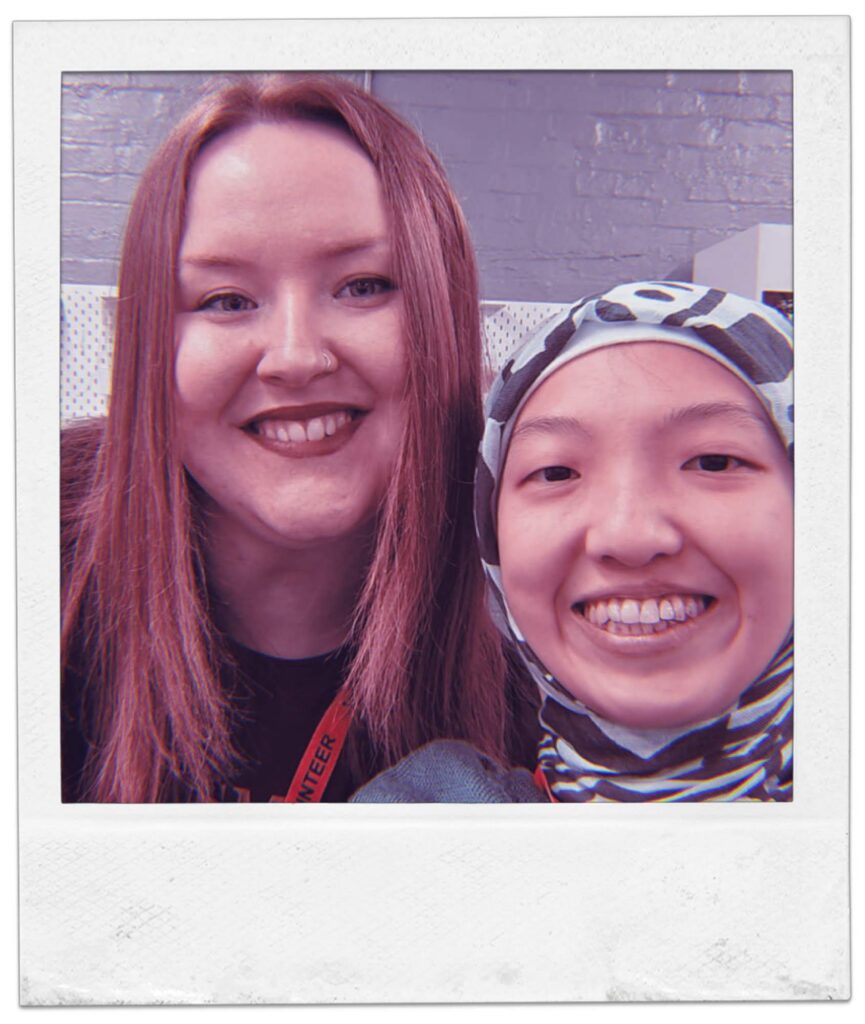
Firstly, I would like to thank the young ambassadors for their insights and time. This has instilled in me a sense of optimism for the future. Next, I would like to thank the visitor services staff who not only played an instrumental role in the installation stage of the exhibition but also supported the regular YA meetings held across all four sites. We also had support from the dedicated BDMAG volunteers throughout the exhibition, who helped us facilitate the exhibition by invigilating and taking surveys. I would also like to thank all of the artists who submitted work to the open exhibition – the standard of work was extremely impressive, and we were not at all surprised by this. We know the potential young creatives have in this city. Additionally, I would like to thank the Friends of Bradford Museums and Galleries. We are deeply grateful for your support during this exhibition, and it would not be an understatement to say that this exhibition would not have been possible without this affiliation. Finally, I would like to thank my fellow lead ambassador, Fatima. Your dedication to this project has been an inspiration. It has been a true honour to work alongside you, and I hope we will work together again in the future.
In Art & Class, Kennedy (2024) emphasises the importance of having opportunities to volunteer to advance one’s career at a time when securing employment in the art world is challenging, even for qualified post-graduates. When speaking with my work coach about career prospects, I explained with the completion of my degrees, I would be interested in working in the creative field to utilise my education and passion. My work coach responded with “have you head of Royal Amusements casino? That would be like working in an art gallery…” It was noticed that this year’s cohort was a diverse group with academic backgrounds and were all interested in working in the arts sector. A commitment is required to provide young people paid opportunities to make a difference in museums and galleries. Additionally, there must be a commitment to the continuation of the open exhibition.
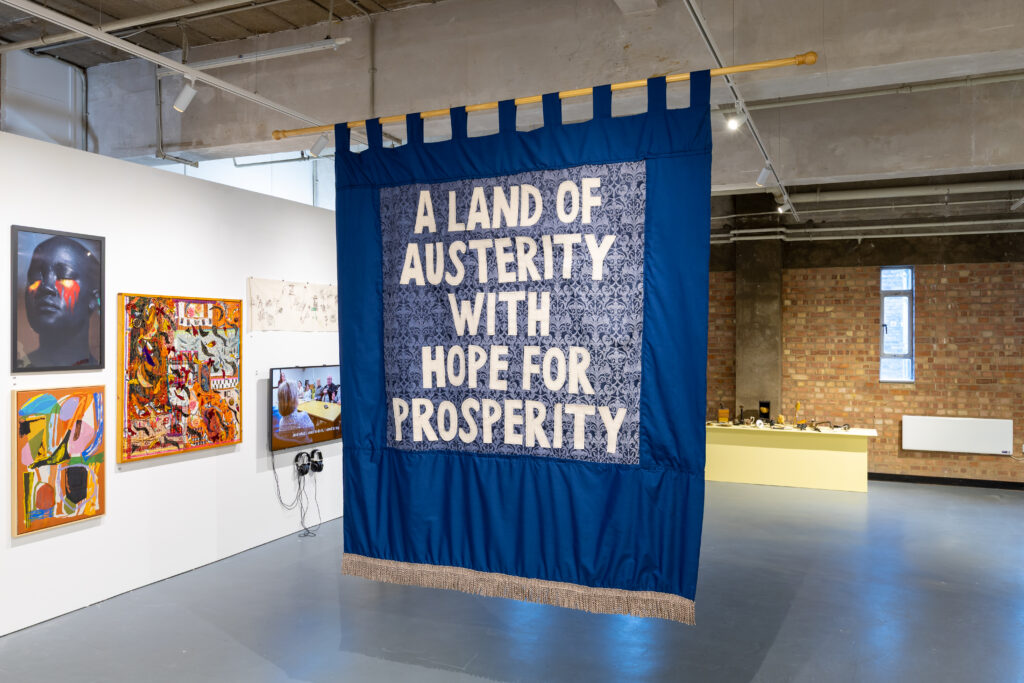
Kennedy Drake (b.1999) is a Bradford-born and based artist, who received a first-class BA Hons in Visual Arts at Bradford School of Art and a distinction in MFA Fine Art at Sheffield Hallam University. Her work is focused on inequalities and working-class culture, largely drawing from autobiographical experience. Using paint, print and the process of upcycled everyday textiles, her work presents a cutting critique on modern British society, including the cost-of-living crisis which is engulfing society and pushing the poorest further into financial difficulty. More recently, Drake has started to consider the ideas of hope and progression towards peace, looking to nature as inspiration.
References
Kennedy, D. (2024) Art & Class: How the middle classes highjacked the nation’s galleries. United Kingdom: Fisher King Publishing.